
As Earth Day approaches on April 22, many of us begin thinking about how our daily habits impact the environment. The good news is that reducing waste does not require a complete lifestyle overhaul. Small, practical changes can make a meaningful difference, both in your home and across your community.Whether you are just getting started or looking to improve your current habits, this guide offers simple, effective ways to reduce waste and make more informed decisions.
1. Start with a Waste Audit
Before making changes, take a closer look at what you are throwing away. A simple waste audit helps identify patterns and highlights opportunities for reduction.
You may notice common categories such as food waste, packaging, or textiles. Once you know where your waste is coming from, it becomes much easier to take targeted action.
Tip: Try tracking your waste for just a few days or one week. Even a short audit can reveal the biggest opportunities for change and help you focus your efforts where they matter most.

2. Reduce Food Waste and Compost When Possible
Food waste makes up a significant portion of household trash and contributes to greenhouse gas emissions when sent to landfills.
Simple strategies include:
• Planning meals and shopping with intention
• Using leftovers creatively
• Storing food properly to extend freshness
Composting food scraps, whether in a backyard system or through a local program, keeps organic material out of the waste stream and returns nutrients to the soil.
Tip: Check with your local municipal recycling coordinator to see if there is a compost drop-off program or curbside service available in your area. Many Connecticut towns now offer options.
3. Recycle Right and Avoid “Wish-Cycling”
Recycling plays an important role in waste reduction, but only when done correctly.
“Wish-cycling” occurs when items are placed in recycling bins in the hope that they can be recycled, even if they are not accepted. This can contaminate recycling streams and make the process less effective.
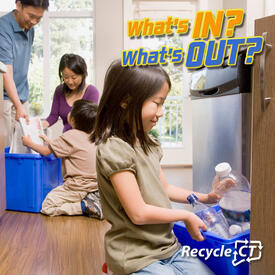
For example, items with a plastic container code or recycling symbol are not good guides to let us know if its IN or OUT. Just because it has a number on the bottom, doesn’t mean it is accepted in CT’s mixed recycling stream.
To recycle properly in Connecticut, use the RecycleCT Wizard to quickly find accurate, location-specific guidance on what belongs in your bin.
Tip: When in doubt, look it up. Using a trusted tool like the RecycleCT Wizard is the easiest way to avoid contamination and ensure your recycling efforts are actually effective.
4. Choose Reusable and Refillable Options
Reducing reliance on single-use items is one of the most impactful steps you can take. Swapping disposable products for reusable alternatives helps cut down on waste and often saves money over time.

Look for opportunities to:
• Bring reusable bags, bottles, and containers
• Choose durable products designed for long-term use
• Support refill systems that reduce packaging waste
Tip: Look for local refill shops, such as Reboot Eco, and stores that allow you to bring your own containers. Starting with just one product swap can make the transition feel easy and manageable.
5. Rethink Textiles and Household Items
Clothing and household goods are often discarded long before the end of their usable life.

Before throwing something away, consider:
• Donating or swapping usable items
• Repairing clothing or household goods
• Using textile recycling programs when items are no longer wearable
Extending the life of these items reduces waste and conserves the resources used to produce them. And it can also save you money!
Tip: Check your town’s transfer station or recycling center for textile recycling bins or community swap areas. Many municipalities are expanding these programs to keep usable materials out of the waste stream. You can also look for a Repair Cafe in your area where you can get help fixing household items.
Moving Forward
Reducing waste is not about perfection. It is about making more informed choices, one step at a time.
As we approach Earth Day, consider choosing one or two changes to focus on. When multiplied across households and communities throughout Connecticut, these small shifts can create a meaningful impact.